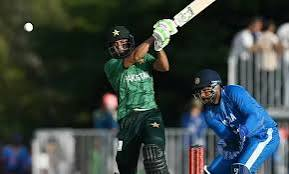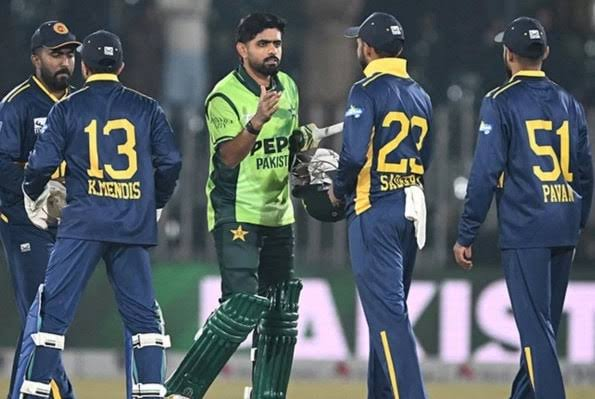
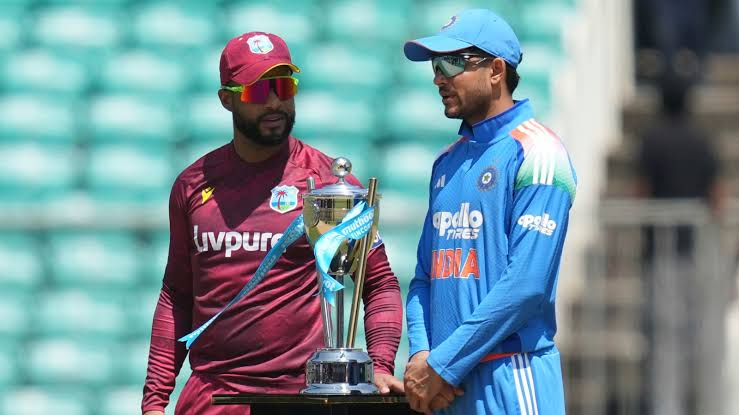
India and West Indies meet at Barsapara Cricket Stadium in Guwahati on September 30 for the second One Day International of a three match series. The fixture arrives two days after the opener in Thiruvananthapuram and carries immediate series significance, with India aiming to build on a positive start at home while the visitors look to level the scoreline and keep their tour alive.
Where the series stands and what is at stake
The three match ODI leg in India is an early season proving ground for both sides. For India the series is a chance to test bench strength and settle combinations ahead of the autumn international programme. Several regular white ball players are away with the Asian Games contingent, which has created opportunities for fringe players to stake a claim.
For the West Indies, the tour offers limited margin for error. The Caribbean side have been rebuilding their ODI group and will see the Guwahati game as a chance to arrest a concerning run of results away from home. A win in the second ODI would shift pressure back onto India and leave the series finely poised heading into New Chandigarh for the decider.
Conditions and how they might shape the match
Barsapara in Guwahati is known for its batting-friendly surfaces and true bounce. Day night conditions usually bring heavy dew under lights, a factor that tends to favour the team chasing. The toss therefore acquires tactical weight: captains must balance the merits of batting first on a flat track against the advantage of bowling under early conditions and chasing with dew.
Local weather and pitch behaviour point to a likely contest where runs flow if top order batters settle early. Spinners may get some purchase as the ball softens in the second innings, but pace bowlers who can extract bounce and hit the blockhole will remain influential, especially with the short boundary dimension on parts of the ground.
Players to watch
India: With some senior white ball names absent because of the Asian Games, the spotlight falls on players who have been rotating through the ODI setup. The home side will expect top order contributions from the likes of Shubman Gill, while Rohit Sharma and Virat Kohli remain central figures when they are available. This series also offers chances for bowlers to press their claims for a longer run in the format, particularly seamers who can use Guwahati’s bounce and allrounders who control the middle overs.
West Indies: The visitors will lean on experienced performers who have carried their side in recent years in white ball cricket, while also giving opportunities to younger players looking to adapt to subcontinent conditions. The West Indies batting unit will aim to negotiate the powerplay and avoid early collapses that could make scoreboard pressure decisive under dew-influenced run chases.
Tactical angles and selection questions
India’s selection has an added layer of complexity this month because of the Asian Games. That availability dynamic is shaping the compositions both teams bring to Guwahati. India may field a slightly different balance of seamers and part time spin than selectors would pick in a full strength side, which could influence match tempo and how powerplays are approached.
From the West Indies perspective, making early inroads with the new ball and keeping the run rate in check through the middle overs are obvious priorities. If they can avoid falling behind inside the first 20 overs, dew later in the evening should give their finishers a platform to chase down big totals.
Broadcast and viewing
The match begins in the afternoon India Standard Time, with coverage starting in the hour before the scheduled 2:00 PM local start for the toss and pre match build up. Domestic TV and streaming arrangements in India are expected to follow existing white ball broadcast partnerships, and ball by ball updates will be widely available via the sport media outlets covering the series.
Why this match matters beyond the series
Beyond the immediate result, the Guwahati game is an opportunity for players on both sides to consolidate places in squads that will be evaluated across the next 12 months. For India, it is a chance to deepen the pool of reliable ODI performers while managing player workloads around multi event commitments. For the West Indies, positive performances in India can provide momentum and selection clarity ahead of a busy global calendar.
With the series deadline only days away, the second ODI in Guwahati will set the tone for whether this limited visit becomes a one sided assignment or a competitive three match contest that heads to a decisive finale in New Chandigarh.