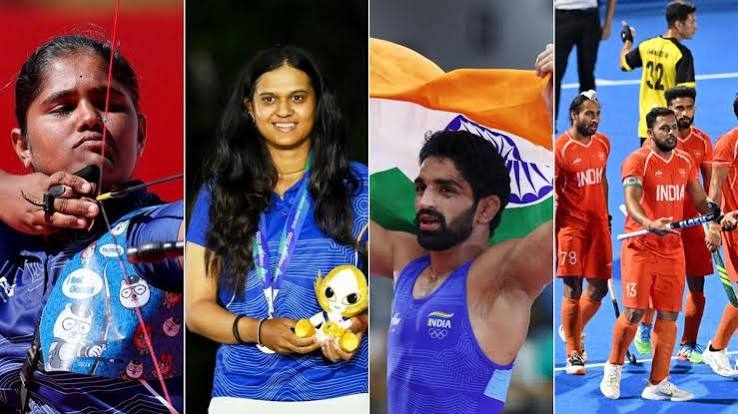
India closed its campaign at the Aichi-Nagoya 2026 Asian Games with a strong final-day run that propelled the country to fourth place in the overall standings. Across 36 sporting disciplines, the Indian contingent collected 85 medals in total, including 21 gold, 27 silver and 37 bronze, a tally that reflected contributions from established stars and a wave of first-time Asian Games medallists.
Final-day surge seals top-four finish
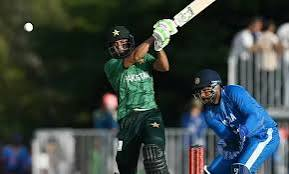
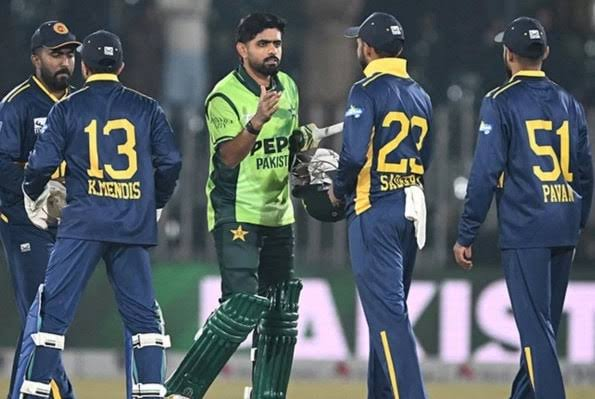
The decisive moment for India arrived on the closing days when team sports and several individual events delivered gold medals that altered the final rankings. The men’s hockey team, defending champions, produced a commanding performance to win their final and take gold, a result that also secured the team an Olympic quota in the run-up to Los Angeles 2028. In addition, the men’s T20 cricket side retained the Asiad title by beating Pakistan in a high-profile final, while wrestlers and archers converted opportunities on the last competition days to add to India’s gold column.
That late cluster of successes was critical. India had been outside the very top positions earlier in the fortnight, but the final flurry of top podium finishes lifted the nation into the top four of the medal table, ahead of several traditionally strong Asian sporting nations.
Debutants and young athletes drive new depth
A notable feature of this edition was the impact of younger athletes and Asian Games debutants. Around one hundred first-timers in the Indian delegation produced a disproportionate share of the medals. Several teenage and early twenties competitors stepped into the limelight by winning medals in archery, shooting and other events. Their performances underlined the growing depth across India's talent pipeline and offered a preview of potential future leaders for global events.
The combination of experience and youth enabled India to stay competitive across a wide variety of disciplines, from combat sports to precision events and team competitions. This breadth helped offset some quieter stretches in traditional strengths such as athletics and certain shooting categories earlier in the Games.
What the medal haul means for India
Finishing fourth at the Asian Games is both a recognition of India’s expanding sporting footprint and a challenge to sustain the momentum. The overall medal count of 85 with 21 golds is likely to be read as progress in many quarters given the increasing competitiveness of Asian sport, where East Asian and Central Asian nations continue to post strong results.
Two immediate practical outcomes stand out. First, team qualifications secured through podium results, notably in men’s hockey, strengthen India’s position heading into Olympic qualification cycles and major world events. Second, the emergence of dozens of new medallists provides national and state sport bodies with tangible success stories to back continued investment in coaching, competition exposure and grassroots identification programmes.
Lessons and policy implications
Several policy lessons are visible from the Games. The results underline the importance of sustained support for youth athletes, especially early exposure to international competition. The success of debutants argues for scaling up talent pathways that combine high performance coaching with targeted psychological and physical support for teenagers and young adults.
At the same time, the Games highlighted areas that require attention. India’s performances in some athletics events fell short of expectations, and a few traditional strengths showed signs of vulnerability. Analysts suggest targeted investment in training infrastructure, sports science and competition scheduling to close those gaps before world championships and Olympic qualifiers.
Looking ahead
The conclusion of the Aichi-Nagoya Games will shift focus quickly to the next major international calendar points, including world championships across multiple disciplines and the build up to the Paris 2028 Olympic qualifiers. For many of the medal winners and debutants, the next 12 to 24 months will be vital for consolidating gains and translating continental success into global competitiveness.
For federations and sport administrators, the immediate task is to analyse performances in depth, retain the support systems that produced breakthrough results, and expand pathways that helped younger athletes succeed. For the athletes, the closing ceremony will be a moment to reflect, while planning resumes for a cycle that now includes Olympic qualification and world-level competition.
Overall, India’s fourth place finish and a medal haul of 85 at the 2026 Asian Games represent a meaningful step in the nation’s sporting development. The final-day golds supplied a dramatic finish and a platform on which administrators, coaches and athletes can build toward the next global challenges.