
Canada announces major federal funding to speed development of clean hydrogen hubs in Ontario and Alberta
On September 27, 2026, the federal government unveiled a new multimillion dollar investment to accelerate clean hydrogen demonstration projects in Canada, with immediate pilots in Ontario and Alberta. Officials say the funding aims to cut industrial emissions, secure domestic supply chains for low carbon fuels, and build export capacity for hydrogen technology.
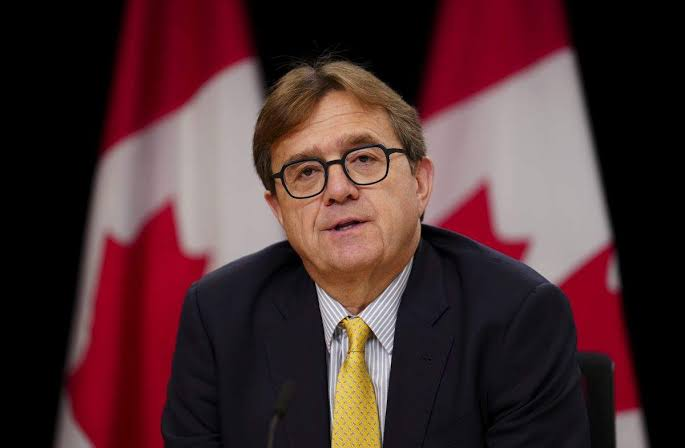
On September 27, 2026, the Government of Canada announced a targeted funding package to accelerate the development of clean hydrogen demonstration hubs, with initial pilot projects in Ontario and Alberta. Officials described the investment as a critical step toward reducing industrial greenhouse gas emissions, strengthening domestic energy supply chains, and positioning Canada as a supplier of low carbon hydrogen for both domestic use and export. The funding will flow to a combination of public research institutions, private consortia and provincial demonstration projects, with federal ministers describing the initiative as a pragmatic move to translate existing research into commercial-scale deployments. The program will prioritize projects that blend emissions reductions with supply chain development, including electrolysis using renewable electricity, advanced hydrogen storage and transport solutions, and technologies to produce low carbon hydrogen from fossil feedstocks when paired with carbon management. Why the announcement matters Canada has abundant clean electricity potential and rich natural resources that make hydrogen an appealing pathway to decarbonize hard to electrify sectors, such as heavy industry, long haul transport and fertilizer production. Federal leaders told reporters on September 27 that moving from pilot to early commercial scale is the next critical stage, because that is where costs fall and technologies are stress tested in real world conditions. Officials emphasized that the package is not only about climate targets. It also aims to secure manufacturing supply chains for electrolyzers, compressors and storage tanks, and create high skilled jobs across multiple provinces. Federal funds are intended to leverage private capital and provincial contributions to maximize project scale and speed. Focus areas and pilot locations The initial pilots announced on September 27 will focus on two complementary approaches. In Ontario, the emphasis will be on electrolytic hydrogen produced from renewable electricity to supply industrial clusters and heavy truck refueling corridors. In Alberta, the focus will include blue hydrogen projects, where hydrogen is produced from natural gas coupled with carbon capture and storage, enabling emissions reductions while using existing hydrocarbon infrastructure. Both pilots will include investments in hydrogen distribution infrastructure to demonstrate safe, efficient delivery from production sites to industrial users and transport refueling stations. Project designs will factor in standards development, workforce training partnerships, and Indigenous consultation and participation frameworks to ensure benefits are shared across communities. Research and innovation angle Science and innovation agencies and research institutions are set to play a central role. The announced package will fund demonstration scale integration of technologies developed in Canadian research labs, including advanced electrolyzer materials, novel catalysts and improvements in system integration and control. The federal investment is intended to bridge the financing gap that often stalls promising lab scale innovations from progressing to commercial readiness. Ministers highlighted plans for coordinated testing facilities so multiple research groups and firms can validate performance and durability under the same operating conditions. This shared approach is designed to accelerate standards, reduce duplication, and provide manufacturers with reliable data to refine designs for mass production. Economic and export strategy Government officials framed the announcement as both a domestic clean energy industrial strategy and an export play. With global demand for low carbon hydrogen expected to expand rapidly through the 2030s, Canada aims to build manufacturing capacity and commercial expertise so Canadian firms can compete in international markets. Funding will be structured to encourage supply chain localization, including incentives for domestic manufacture of key components and training programs to build the skilled workforce needed for large scale deployment and maintenance. The federal government also signalled ongoing collaboration with provincial partners to align regulatory frameworks and permitting processes to accelerate project timelines. Transition risks and criticisms Advocates welcomed the emphasis on rapid demonstration, standards and supply chains, but some stakeholders and environmental groups called for clear guardrails to ensure the program prioritizes truly low carbon pathways and avoids locking in high emissions infrastructure. Critics also urged transparency on the accounting of lifecycle emissions, especially for blue hydrogen projects that rely on carbon capture. In response, federal officials on September 27 committed to rigorous greenhouse gas accounting and third party monitoring for projects supported by the new funding. They said funding agreements will include performance milestones tied to emissions intensity and provisions for independent verification. What happens next The government said it will issue calls for proposals and selection criteria in the coming weeks, and begin awarding initial demonstration grants before the end of the year. Successful projects will move into construction and testing phases during 2027, with an expectation that lessons learned will inform a larger federal hydrogen strategy and additional investments in subsequent budget cycles. By shifting funds from research to demonstration, Canada aims to close the gap between invention and industrial deployment, creating a demonstrable low carbon hydrogen industry that could support domestic decarbonization and global exports. The government described the September 27 announcement as a defining step toward that goal.
Topics
LocationOntario and Alberta