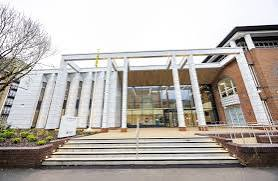
Istanbul today became the gathering point for scholars, religious thinkers and cultural practitioners as the 13th International Bediuzzaman Symposium opened at the Ataturk Cultural Center in Taksim. Organized by the Istanbul Foundation for Science and Culture, the three day event begins on October 4, 2026 and will continue with panels and sessions on October 5 and 6 at the Pullman Istanbul convention venue.
Theme and participants
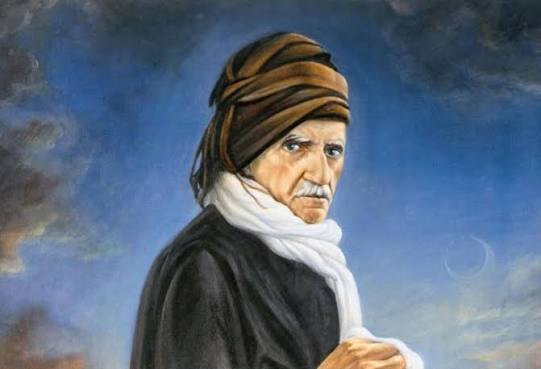
The symposium, titled "Quranic Solutions to Global Crises," brings together academics, theologians and institutional representatives from a broad geographic range to examine how the Qur’anic tradition articulated by Bediuzzaman Said Nursi can inform policy and public debate on pressing transnational challenges. Program materials distributed by the organizers list participating universities and research centers from countries across Asia, Africa and the Middle East, and show a program that mixes plenary speeches, panel discussions and parallel sessions.
According to the event documentation, the opening ceremony on October 4 is staged at the Ataturk Cultural Center, a symbolic Istanbul venue, with the panel days held at the Pullman Istanbul hotel on October 5 and 6. The published schedule highlights sessions on topics that include ethical frameworks for migration and displacement, the role of religious texts in environmental stewardship, and comparative approaches to civilisational responses to contemporary geopolitical stresses.
Organizers and reach
The Istanbul Foundation for Science and Culture is the event host. In materials released in advance, the foundation described the symposium as a continuing academic series that has run since 1990 and which aims to connect scholarship grounded in the Risale i Nur corpus with contemporary public policy and interfaith conversation. Organizers have made program brochures, an invitation and a press release available to the press and prospective attendees, and have invited academics to register for sessions and to submit papers for later publication in associated journals.
Promotional and practical details published by the organizers emphasize that admission is free and that organizers expect a mixed audience of scholars, students and members of the public. The program packlists participating institutions and an international scientific committee, underscoring the symposium’s claim to scholarly breadth rather than narrow local focus.
Why the event matters
The symposium arrives at a moment when debates about religion, public policy and geopolitical competition are especially salient in and beyond Turkey. By foregrounding the idea of "Quranic solutions," organizers aim to move discussions about religion away from polarised political framing and toward sustained scholarly engagement with moral resources for problem solving. For scholars of religion and policy makers in plural societies, the event is a venue to test how classical religious thought can be translated into contemporary policy language without losing nuance.
For Istanbul, hosting a multi day international symposium at the Ataturk Cultural Center reinforces the city’s long standing role as a hub for cross cultural exchange and intellectual life. For the Istanbul Foundation for Science and Culture, the meeting represents a continuation of a decades long series that has sought to place Turkish scholarship in conversation with global academic networks.
Logistics and access
Organizers have published a detailed program and supporting materials for journalists and attendees. The opening day events at the Ataturk Cultural Center are set for October 4. Panel days will proceed at the Pullman Istanbul venue on October 5 and 6. Those seeking to attend were directed to register through the foundation’s event portal and to consult printed materials provided at the venue. The organizers also provided press contact details for inquiries and accreditation.
Next steps and outputs
The symposium program indicates an intention to collect selected papers for later publication in the foundation’s affiliated journals. Participants and organizers also anticipate follow up workshops and possible collaborative research projects that will build on conversations started at the meeting. For researchers tracking how religious intellectual traditions are mobilized to address modern policy questions, the symposium will produce materials and papers that may inform subsequent scholarship and public debate.
As the event proceeds over the coming days, attendees and observers can expect a mixture of academic presentations and public facing panels aimed at bridging scholarly reflection and practical policymaking in domains such as migration, environment, social cohesion and intercommunal relations.